

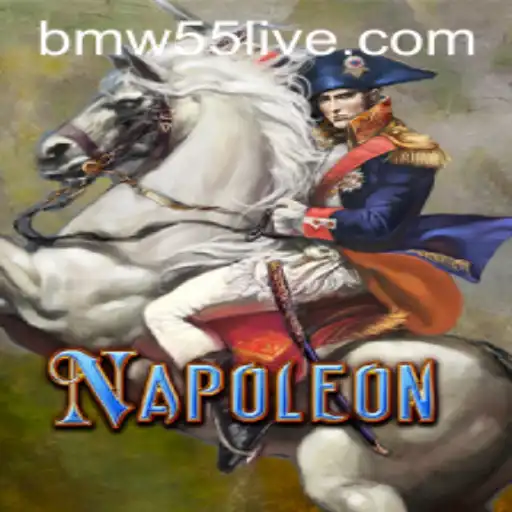

The card game "Napoleon" stands as a testament to the rich tapestry of historical games, weaving together elements of strategy, chance, and skill. With its roots deeply embedded in military themes and European tradition, "Napoleon" offers players an engaging experience that echoes the strategic brilliance of its namesake.
The game "Napoleon" is inspired by the tactics and conquests of its eponymous French military leader. Much like its real-world counterpart, the game commands a strategic acumen, challenging players to outmaneuver their opponents. Originating in the 19th century, during the heyday of card games' popularity in Europe, "Napoleon" became a beloved pastime among soldiers and civilians alike.
The simplicity and accessibility of "Napoleon" contributed greatly to its widespread appeal. In an era where entertainment options were limited, card games such as these provided a convenient and portable source of amusement. The game often played in social gatherings and military camps, needed nothing more than a standard deck of cards and a group of enthusiastic participants.
"Napoleon" is a flexible card game typically played with three to six players, though variations exist to accommodate different numbers. The primary objective is for players to bid and take tricks, echoing the decision-making and tactical prowess of the historical Napoleon. A key component of the game is the bidding process, where players bid for the number of tricks they believe they can capture.
Once the bidding is complete, the player with the highest bid becomes the "Napoleon" for that round, charged with the task of fulfilling their bid. This introduces an exciting dynamic, as players must carefully weigh their hands and calculate their bids accordingly. Notably, bluffing and strategic deception form an intrinsic part of gameplay, mirroring the cunning strategies employed by generals on the battlefield.
To commence a round of "Napoleon," the dealer shuffles a standard deck of 52 playing cards and deals out five cards to each player. The next step is the crucial bidding phase. Each player offers a bid that represents the number of tricks they intend to win. The bidding continues until the highest bid is established, and the victor assumes the role of "Napoleon."
In some versions of the game, a second player may declare themselves as the "betrayer," opposing the Napoleon to introduce an additional layer of complexity and excitement. These players may employ teamwork, deception, and calculated risk-taking to achieve their objectives.
Following the bidding, the game enters the trick-taking phase. Players follow suit if possible leading with the highest card to secure tricks. The challenge lies in the strategic use of cards and anticipating opponents’ moves, which requires players to think several steps ahead and adapt to the unfolding scenario.
The enduring appeal of "Napoleon" is evident in its continued presence in modern gaming circles, where traditional card games meet contemporary entertainment trends. As digital gaming platforms explode in popularity, many classic games have found new life in virtual formats, "Napoleon" included.
Developers have captured the essence of "Napoleon" in digital applications, enabling a new generation to discover this classic pleasure across different devices. This shift to electronic platforms aligns with current societal trends that emphasize convenience and connectivity.
Furthermore, gaming communities frequently host events and tournaments that celebrate these historical games, bringing together enthusiasts and novices alike. By engaging with both online and offline gaming sessions, players are bridging cultural and generational gaps, fostering a shared love for strategic entertainment.
As we navigate an era increasingly defined by digital connectivity and renewed interest in social engagement, games like "Napoleon" remind us of the importance of strategic thinking and human interaction. They also offer insight into the cultural heritage that continues to shape our leisure pursuits today.
The relevance of strategy-based games has been more pronounced against the backdrop of recent global events, where adaptability, foresight, and calculated action are skills mirrored both in gameplay and real life. "Napoleon," as a game promoting strategic initiative and interpersonal dynamics, resonates strongly with these themes.

Explore the exciting world of PONGPONGHU, a game bridging traditional entertainment and modern innovation, through captivating gameplay and rich strategy experiences.
Delve into the captivating universe of the game RomaX. Discover its unique features, gameplay, and the rules that set it apart in the gaming world.

Explore the captivating world of JungleGems, a popular game that combines strategic gameplay with the thrill of exploration. Learn about the game's rules, features, and recent updates that make it a standout choice for both novice and experienced gamers.
Delve into the captivating universe of LUCKYFORTUNES3x3: an innovative game combining luck and strategy. Discover its gameplay intricacies and engage with current events through a unique gaming experience.

Explore the captivating world of GoHighFruit, where strategic gameplay meets delightful fruit-themed challenges.

Explore the captivating universe of WaterWorld and delve into its breathtaking gameplay, rules, and unique elements that make it stand out in the gaming industry.
